What is Ecommerce Business?
Ecommerce (electronic commerce) refers to buying and selling goods or services online. Platforms like Amazon, Shopify, Alibaba Group, and eBay have revolutionized how businesses operate.
There are several ecommerce models:
B2C (Business-to-Consumer) – Online stores selling directly to customers
B2B (Business-to-Business) – Businesses selling to other businesses
C2C (Consumer-to-Consumer) – Peer-to-peer selling platforms
D2C (Direct-to-Consumer) – Brands selling directly without intermediaries
Why Ecommerce is Growing Rapidly
Several factors contribute to the rapid growth of ecommerce:
1. Convenience
Customers can shop 24/7 from anywhere.
2. Mobile Commerce (M-Commerce)
Smartphones have made shopping instant and accessible.
3. Global Reach
Businesses can access international markets without physical stores.
4. Data-Driven Marketing
Analytics tools allow businesses to understand customer behavior and personalize experiences.
Key Strategies for Ecommerce Growth


4
1. Build a Strong Online Presence
Optimize your website for SEO
Ensure fast loading speed
Make it mobile-friendly
Create engaging product descriptions
Search engine visibility drives organic traffic and reduces reliance on paid ads.
2. Invest in Digital Marketing
Growth comes from visibility. Effective channels include:
Social media marketing
Influencer partnerships
Email marketing campaigns
Paid ads (Google, Meta platforms)
Consistent branding builds trust and recognition.
3. Focus on Customer Experience (CX)
A seamless customer journey increases retention and referrals.
Easy navigation
Secure checkout
Multiple payment options
Fast shipping
Responsive customer support
Happy customers become repeat buyers.
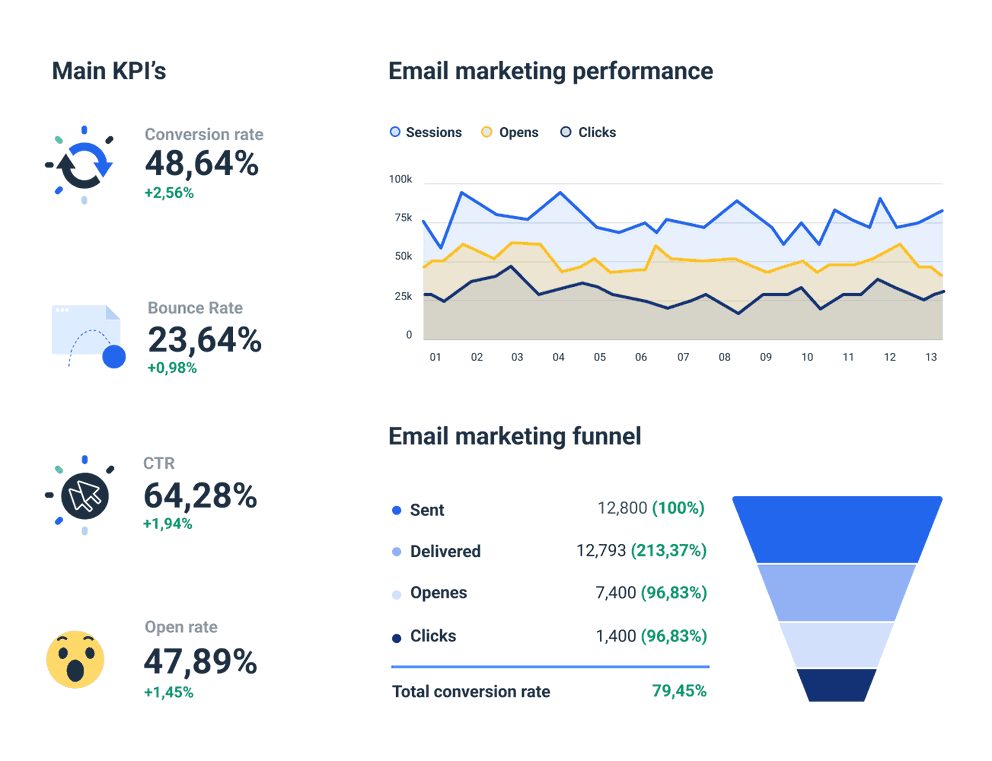
4. Use Data to Make Decisions
Analytics tools help track:
Conversion rates
Cart abandonment rates
Customer lifetime value
Traffic sources
Data-driven decisions improve efficiency and profitability.
5. Expand Product Lines Strategically
Introduce complementary products or bundles based on customer demand and purchasing trends.
Challenges in Ecommerce Growth
While opportunities are vast, challenges exist:
High competition
Rising ad costs
Logistics and supply chain issues
Cybersecurity threats
Customer acquisition expenses
To stay competitive, businesses must continuously innovate.
Emerging Trends in Ecommerce



4
1. Artificial Intelligence (AI)
AI-powered chatbots, personalized recommendations, and predictive analytics are transforming customer engagement.
2. Augmented Reality (AR)
Customers can virtually try products before buying.
3. Voice Commerce
Shopping through smart speakers is growing.
4. Sustainable Ecommerce
Eco-friendly packaging and ethical sourcing influence buying decisions.
How Small Businesses Can Compete
Small ecommerce brands can thrive by:
Focusing on niche markets
Building strong brand identity
Offering personalized service
Leveraging social proof (reviews & testimonials)
Creating community-driven marketing
Agility is a key advantage small brands have over large corporations.
The Future of Ecommerce
The future of ecommerce will be:
More personalized
Faster (same-day or instant delivery)
More automated
More integrated with social platforms
Businesses that adapt to technology, prioritize customer experience, and use data intelligently will lead the market.
Comments
Join the Conversation
Comments are welcome! Share your thoughts and questions below.
Leave a Comment